In the journey towards the industrialization of solid-state batteries, the preparation of the electrolyte layer stands as a critical bottleneck. Traditional wet coating, while capable of producing uniform thin films, often struggles to meet the unique physicochemical properties and atmospheric requirements of solid-state electrolytes; meanwhile, dry coating, though solvent-free, faces its own series of challenges in film uniformity and thickness control. The industry urgently needs a new generation of film-forming technology that is efficient, stable, and compatible with various materials.
Against this backdrop, MANST officially launched the "Solid-State Cell Line – Wet Process Solution," marking a leap from providing single coating equipment to offering a comprehensive film-forming solution covering the entire chain of electrolyte slurry preparation, coating, and transfer printing.
This solution innovatively adopts a new coating approach based on the pre-lamination of a release substrate film and a reinforcing skeleton film, successfully achieving the independent formation of ultra-thin (10–60 μm), uniform solid-state electrolyte films. This technological breakthrough not only provides the key material foundation for constructing a "separator-free" solid-state battery architecture but also meets current market demands for high-energy-density, high-safety solid-state batteries with superior process controllability and environmental adaptability.
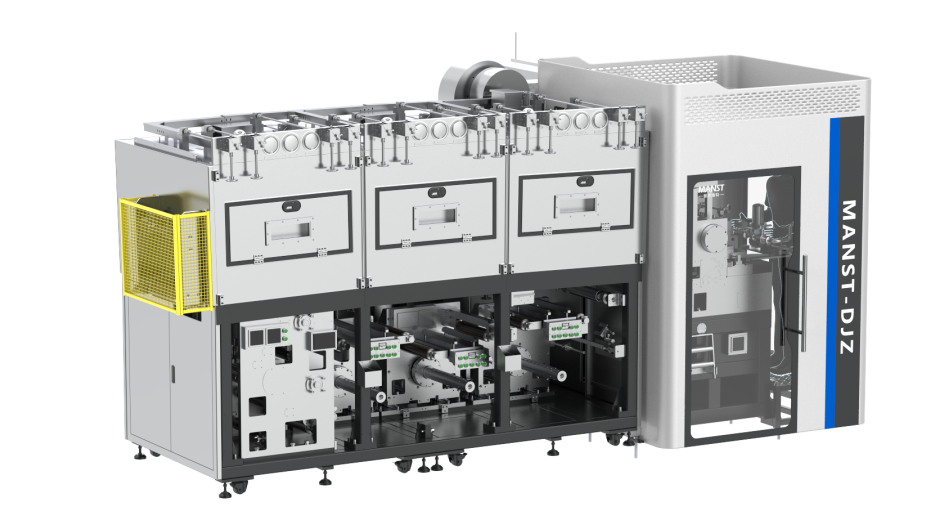
MANST's Solid-State Cell Line Wet Process Solution is not merely an optimization of a single function; it systematically addresses the pain points in solid-state battery manufacturing through four interlocking technological innovations.

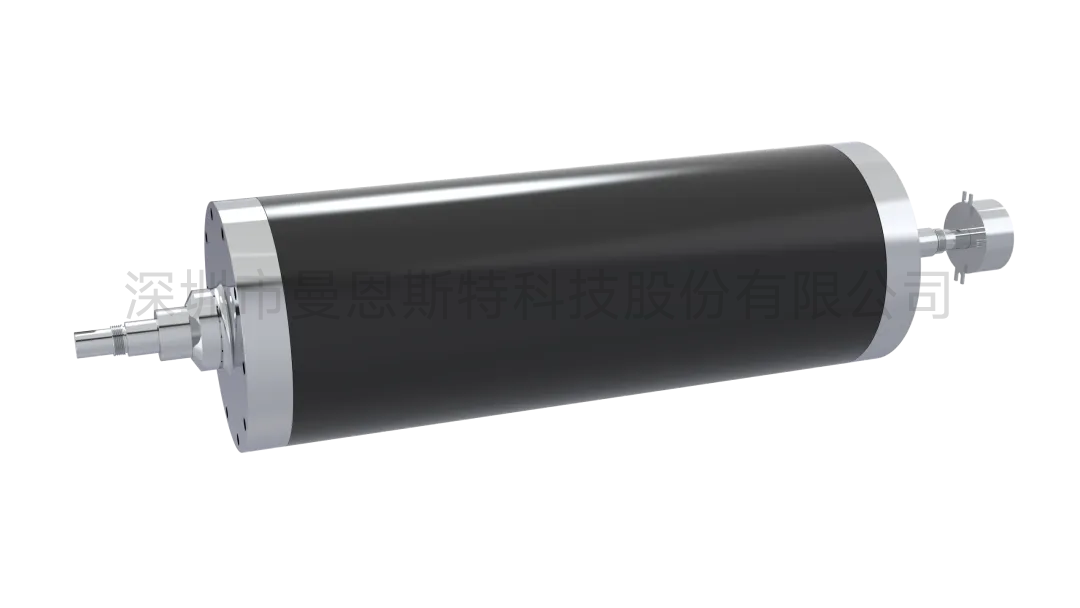
The strong corrosiveness of solid-state electrolyte slurries (especially sulfide-based systems) is a major source of metal die wear and the introduction of metal impurities. MANST pioneered the use of highly wear-resistant and corrosion-resistant zirconia ceramic dies, while the backing roller employs silicon carbide ceramics, fundamentally eliminating metal contamination sources during the coating process. This preserves the intrinsic characteristics of the electrolyte layer and establishes the first line of defense for the long-term cycling safety and consistency of the battery.
MANST's Solid-State Cell Line Wet Process Solution involves pre-laminating a release substrate film with a reinforced skeleton film to form a stable "composite substrate," followed by slot-die coating. This technology enables precise control of wet film thickness and morphology; after drying, an independent electrolyte film with adjustable thickness in the range of 10–60 μm and excellent mechanical properties is obtained. This "film-first, transfer-later" process achieves precise control over the quality of the electrolyte layer, effectively avoiding issues such as film non-uniformity, defect propagation, and interfacial defects that can occur when coating directly on rough, porous electrode surfaces due to substrate unevenness or tension fluctuations.
Addressing the characteristics of solid-state slurries—high cost, susceptibility to settling, and sensitivity to contamination—MANST designed a highly integrated feeding system. By employing a streamlined, hard-pipe direct connection between the slurry tank, delivery pump, filter, and ceramic die, the slurry flow path is significantly shortened, reducing residue and losses from pipe bends. Within a 300 mm coating width, slurry residue can be controlled to less than 1 liter.
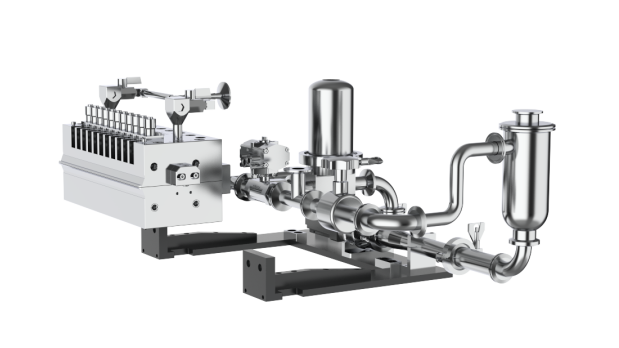
This not only significantly reduces slurry waste during each experiment or process change but also minimizes clogging risks by simplifying the flow path, ensuring continuous, stable, and efficient coating.
Water and oxygen content are critical "life-or-death lines" for solid-state batteries, especially sulfide electrolyte systems. MANST integrates the entire coating system and drying oven into a closed glovebox, creating and maintaining an ultra-low water and oxygen environment of ≤1 ppm throughout the coating process. From slurry coating and solvent evaporation to film curing, the entire procedure is completed under the protection of inert gas, completely isolating the active materials from oxidation by air and thereby preserving the intrinsic performance of the electrolyte film.
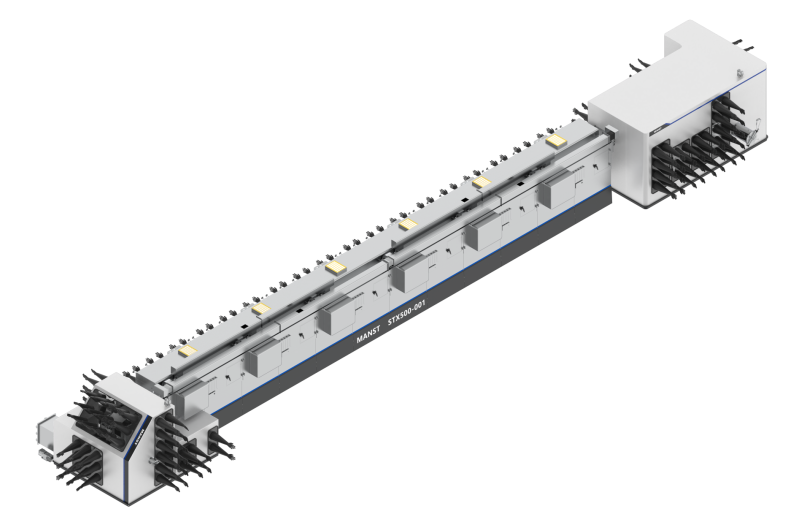
The launch of MANST's Solid-State Cell Line – Wet Process Solution represents more than just the introduction of new equipment; it provides a validated industrialization approach. Through the core process of "precision film formation on a release substrate film," it connects materials, equipment, and battery design, helping customers bridge the critical path from lab-scale formulations to mass-produced products. Its four technological advantages reinforce one another, collectively targeting the core requirements for mass production: product consistency, material compatibility, and production economy.
Amid the current landscape of diverse solid-state battery technology routes and increasingly intense competition for mass production, MANST, with its profound understanding of underlying processes and forward-looking equipment R&D, offers the industry a practical manufacturing solution. This will accelerate the maturation and implementation of the all-solid-state battery industry ecosystem, injecting robust "manufacturing momentum" into the global new energy technology revolution.
NO.3, Zhukeng Third Industrial Zone, Jinniu East Road, Pingshan District, Shenzhen
0755-89369630
400-822-5968
brand@sz-manst.com